
How to Include Family and Friends in Your Utah Elopement
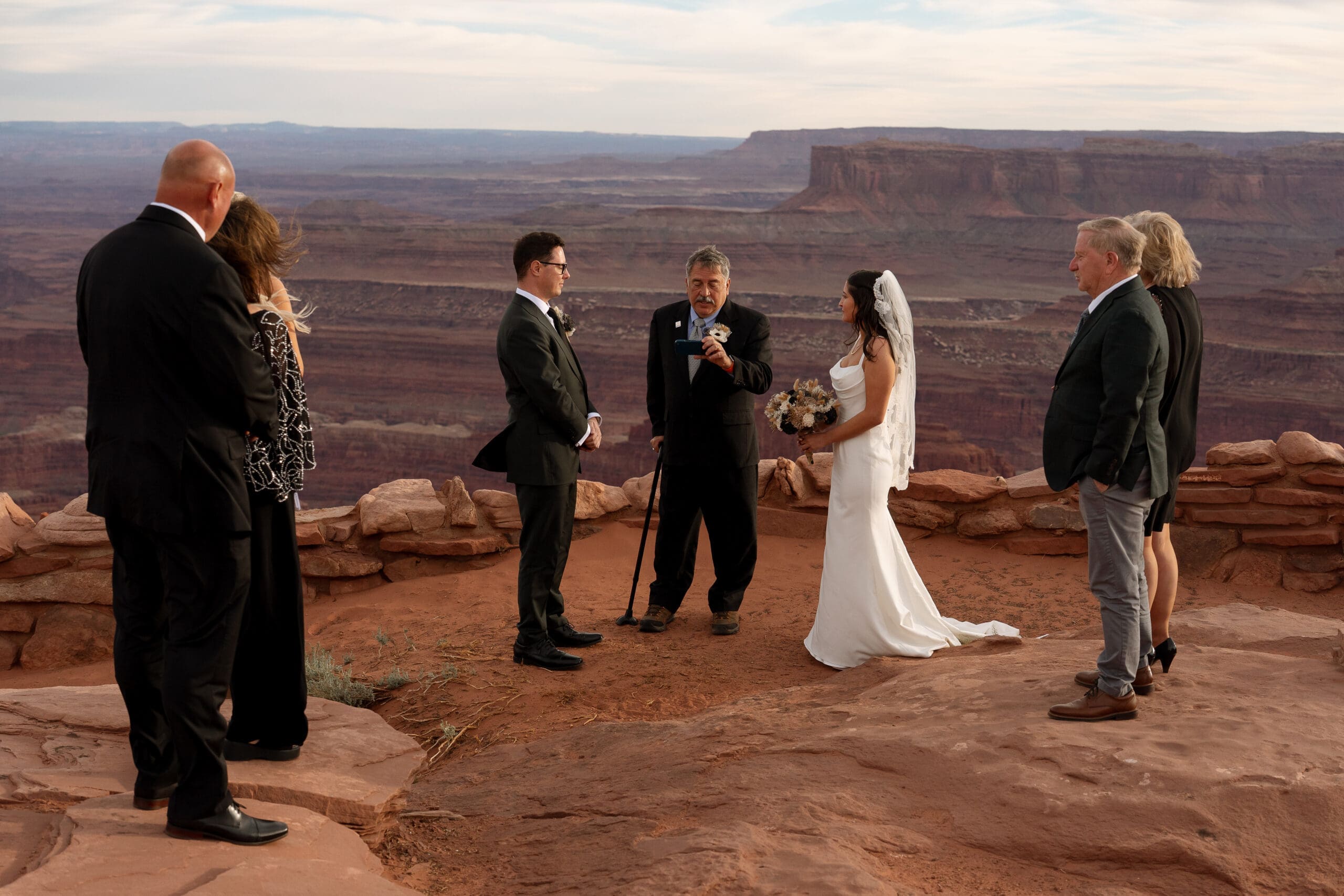
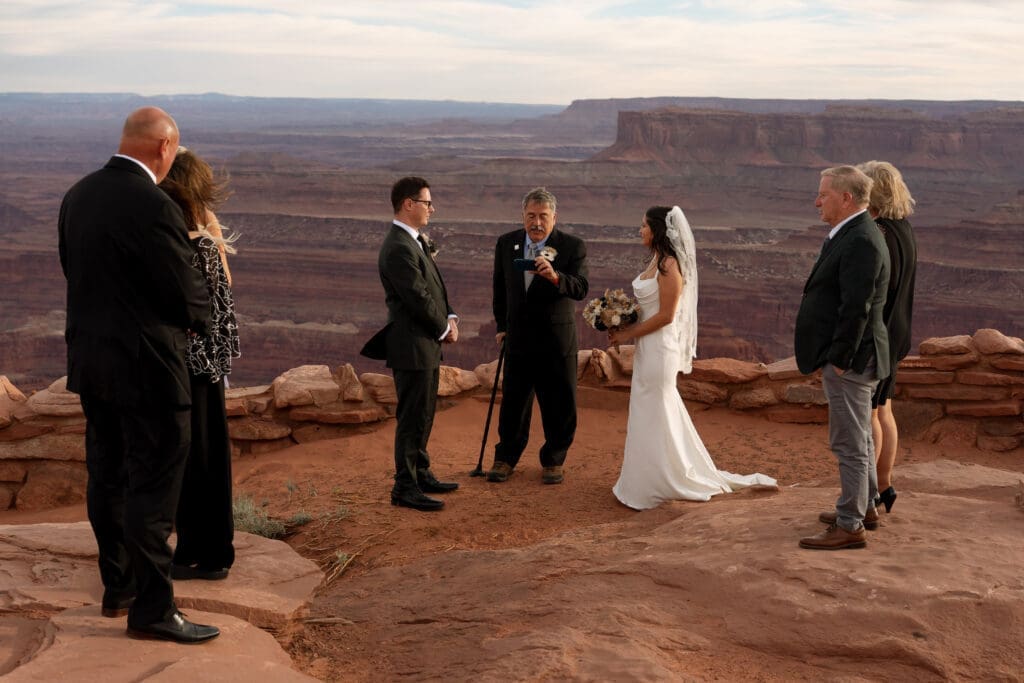
Elopement With Family — Yes, You Can Have Both
An elopement doesn’t mean running away alone. It means choosing intention over tradition.
Many couples planning a Zion elopement, a Moab elopement, or a destination micro wedding still want their parents or a few of their closest friends there. They just want to experience the day differently than a traditional 150-guest wedding. They’re not trying to exclude the people they love. They’re trying to protect the feeling of the day.
There’s a big difference.
Including family doesn’t suddenly turn your elopement into a production. It simply means you’re being thoughtful about who is present and how the day unfolds. You can absolutely share the moment with the people who matter most while still keeping the experience slow, grounded, and centered on the two of you.
The key isn’t guest count. It’s a thoughtful plan.
What If We Don’t Want Family There?
That’s okay too!
Choosing to elope without family present doesn’t mean you don’t love them. It simply means you want this particular moment to be fully yours.
For some couples, the most honest version of their wedding day is just the two of them. Hiking out together, reading vows without an audience, letting the day unfold quietly. No expectations. No emotional management. Not worried about other people and the logistics of getting a group to a certain spot.
And that doesn’t make it less meaningful. If anything, it often makes it more grounded.
There are still beautiful ways to include your family without inviting them into the ceremony itself.
You could FaceTime them afterward from the overlook, still in your wedding clothes, just married and glowing. You could read letters they wrote to you after your vows. You could record a short video message for them while the emotions are still fresh.
When you get home, you could host a dinner and share your photos or even show your Super 8 film for the first time together. Imagine everyone gathered around, watching the movement, the wind, the landscape, and seeing what it actually felt like to be there. That moment can be incredibly special in its own way.
Some couples plan a backyard celebration weeks later. Others take their family back to the location for an anniversary trip. Some simply sit down one evening and tell the full story over a long meal.
The ceremony doesn’t have to carry every expectation at once.
An intentional elopement isn’t about excluding people.
It’s about protecting the space where your marriage begins and then choosing how and when you invite others into that story.
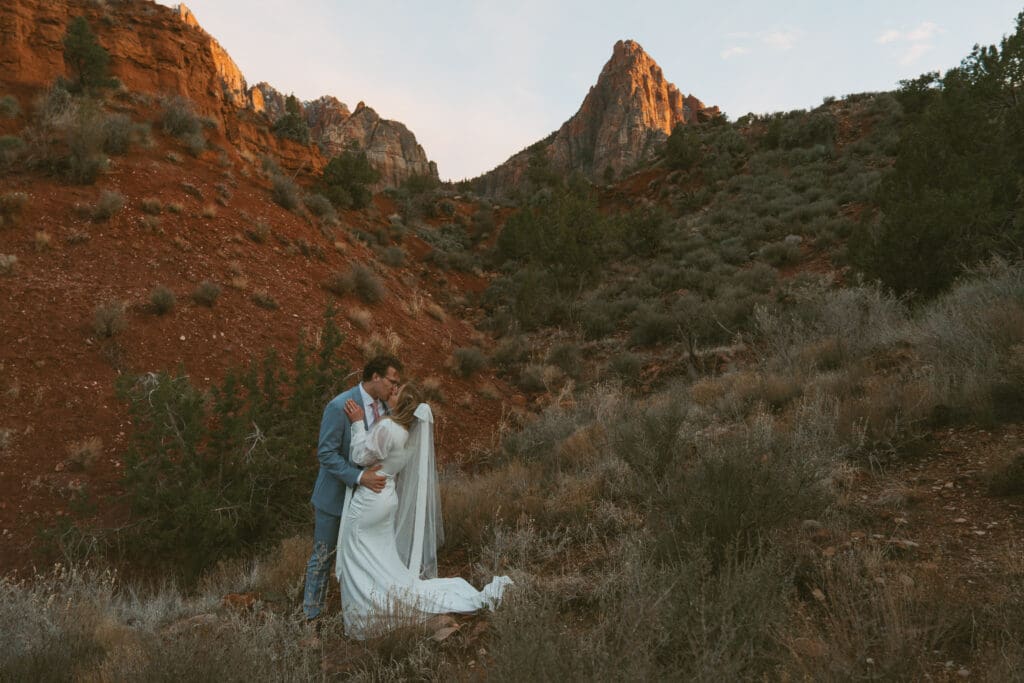
Choose the Right Location for an Elopement With Family
When planning an elopement or intimate destination wedding, I always tell couples this: choose the place that feels grounding to you first. The landscape should reflect who you are and how you want the day to feel. Whether that’s Zion’s cliffs, the red rock in Moab, or somewhere completely different, the location sets the emotional tone for everything else.
From there, we design how your people step into that experience.
Sometimes they witness the ceremony itself. Sometimes they join you afterward for a private dinner or celebration. Sometimes the most intimate part of the day — like sunrise vows — stays just yours, and family meets you later. There isn’t one right structure. It’s about protecting the parts that matter most to you while still honoring the people you love.
The location doesn’t need to be diluted to accommodate everyone. It just needs to be thoughtfully planned. That might mean choosing an overlook that’s accessible for parents, building in extra time for travel, or structuring the day so it flows naturally instead of feeling crowded or rushed.
This becomes especially important when family is traveling for a destination elopement. A little intentional planning goes a long way in making the experience feel meaningful for everyone — without sacrificing the intimacy you chose in the first place.
How to Share Private Vows and Still Include Family in Your Day
One of the most balanced approaches for an elopement with family present is this:
- Share your private vows earlier in the day, just the two of you.
- Then later, meet your family for a ceremony or ring exchange
- Then dinner together to celebrate. Maybe a cozy restaurant after or even a private chef back at your Airbnb.
This structure works beautifully for couples planning a Zion elopement with guests, a Moab micro wedding, or any intimate destination wedding where you want both privacy and inclusion. You protect the emotional core of the day while still allowing your loved ones to witness your commitment.
Many couples don’t realize they can design their timeline this way. Private vows at sunrise, followed by a family ceremony at sunset. Or a quiet first look and vow exchange before meeting everyone for a scenic overlook ceremony. When thoughtfully structured, it never feels disconnected,it feels layered.
For many couples planning an intimate wedding with family, this approach feels grounded and natural. You aren’t choosing between “just us” or “everyone.” You’re creating space for both.
If you’re unsure how to structure a timeline like this, I walk couples through it step by step so it feels unrushed and aligned with the experience you want to have. (Zion Elopement Timeline Blog)
And if you’re planning in a national park like Zion, it’s also important to consider permit guidelines and group size regulations when including guests.
(National Park Service Zion Permit Page)
An intentional elopement isn’t about shrinking your wedding.
It’s about designing it with care.
Turn Your Elopement Into a Wedding Weekend
An elopement with family doesn’t have to feel like a quick two-hour ceremony where everyone shows up, watches, hugs, and heads home. When you stretch it into a micro wedding weekend, everything feels more relaxed and more meaningful.
Instead of packing the entire celebration into one tight timeline, you can spread it out. Rent a cabin in the mountains where everyone stays together. Book a desert Airbnb in Moab with a big kitchen and a long table. Choose a space where people can actually hang out instead of sitting in rows waiting for the next thing to start.
Host dinner the night before so your ceremony day doesn’t carry all the pressure. Let everyone connect, tell stories, and settle in. The next morning could be slow, coffee on the porch, breakfast together, maybe a walk before you peel away for your private vows.
After the ceremony, instead of a traditional reception with assigned seating and a DJ timeline, think about shared experiences. A long dinner table outside. A private chef cooking while everyone talks. Pizza and wine after sunset. A campfire where your parents give a toast and your friends stay up way too late.
For couples planning a destination micro wedding weekend with family, this kind of structure feels elevated because it feels intentional and unrushed. No ballroom turnover times. No strict reception cutoff. Just space to be together.
That’s when a micro wedding stops feeling “small” and starts feeling full.
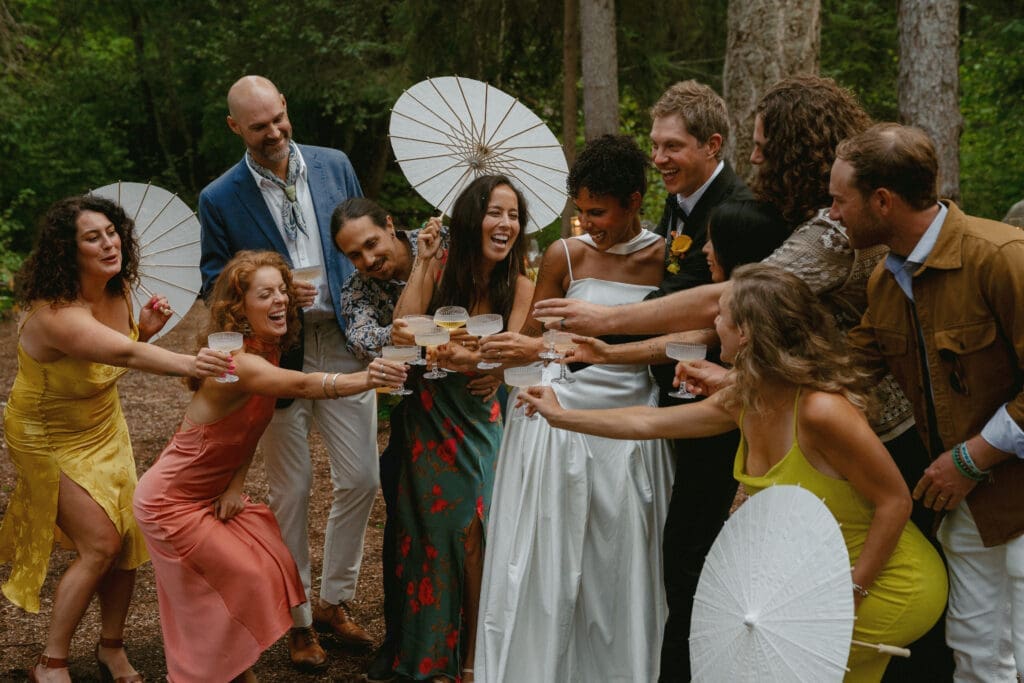
Meaningful Ways to Include Family in Your Elopement
Including guests in your elopement doesn’t mean handing them a seat and a printed program and hoping that feels special. When you’re planning a destination elopement with family present, the goal isn’t to recreate a traditional ceremony on a smaller scale. It’s to invite your people into the experience in ways that feel personal.
Parents can help you get ready in the morning, buttoning your dress or adjusting your jacket before you head out. A sibling can give a reading during the ceremony that actually means something to you. You could plan a scenic walk together before everything begins, letting the nerves settle and the conversations unfold naturally instead of lining everyone up in rows.
After the ceremony, it might look like a champagne toast at the overlook, a group photo that feels joyful instead of formal, or hugging your grandparents while the sun is still low in the sky. These are the kinds of moments that don’t feel staged, but end up being the ones everyone talks about later.
If you’re skimming and wondering what this could practically look like, here are a few simple ways to make it meaningful:
- Invite them into the getting-ready process
Let parents or siblings be present during quiet, emotional moments before the ceremony instead of just the formal parts. - Give them a small role in the ceremony
A reading, a prayer, holding the rings, or even sharing a short blessing can make the experience feel personal without making it performative. - Plan a shared experience before or after the ceremony
A scenic walk, coffee together that morning, or a relaxed dinner afterward often feels more special than a traditional reception timeline. - Create a simple toast moment
Champagne at the overlook, a sunset toast, or a few words shared around a dinner table can be more memorable than a structured speech lineup. - Let them see the story afterward
Share your full gallery or your Super 8 film at a family dinner later on. Watching the movement, the landscape, and the quiet moments together often becomes a meaningful part of the celebration itself.
Hosting a Celebration After Your Elopement
If you decide you want your ceremony day to be just the two of you, that doesn’t mean you’re skipping a celebration altogether. You can absolutely protect the intimacy of your elopement and still gather everyone later.
Many couples who plan a private elopement or an elopement with immediate family choose to host a post-elopement reception back home. That way, the wedding day itself stays quiet and personal, and the celebration happens separately — without time pressure or emotional overload.
Here are a few ways couples turn their elopement into a meaningful celebration afterward:
- A backyard celebration at your VRBO or home with a private chef and long dinner tables
- A dinner party at a venue like Red Earth Venue in Moab for a relaxed but elevated evening
- A cozy meal at a favorite restaurant, brewery, or winery with simple toasts instead of a formal reception timeline
- A slideshow night back home where you share your elopement photos and Super 8 wedding film for the first time
- An anniversary-style gathering weeks later where you tell the full story in a more relaxed setting
There’s something really special about letting people experience the day this way. Instead of watching it in real time, they get to see it through your eyes — the movement, the landscape, the quiet moments — all while sitting together in a comfortable, familiar space.
Hosting a celebration after your elopement allows you to separate intimacy from social expectation. You get the ceremony exactly how you want it, and you still get the joy of celebrating with your wider community.
For many couples planning a micro wedding or destination elopement, this balance ends up feeling like the best of both worlds.
Tips for Keeping an Elopement With Family Stress Free
Including family in your elopement can feel incredibly meaningful but only if it’s planned intentionally. The biggest difference between a peaceful micro wedding or elopement and a stressful one usually comes down to expectations and pacing.
If you’re inviting guests into your elopement or wedding weekend, set expectations early. Let them know what the day will look like, what it won’t look like, and how you’re choosing to structure it. When family understands that this isn’t a traditional wedding timeline, it removes a lot of unspoken pressure.
Keep your timeline relaxed. One of the biggest reasons couples choose an elopement in the first place is to avoid feeling rushed. That shouldn’t disappear just because guests are present. Build in space between moments. Give yourselves time to transition. Let things breathe.
Breathing room matters more than people realize. Extra time for getting ready. Extra time for travel. Extra time after the ceremony before dinner. Those buffers are what protect the experience from turning into a production.
And above all, keep your focus on experience over performance. An elopement with guests should still feel like an elopement, intentional, grounded, and centered on your relationship. If something starts to feel like it’s becoming about optics or logistics more than connection, that’s usually your cue to simplify.
Meet Your Elopement Photographer and Super 8 Videographer
I’m a destination elopement photographer and Super 8 videographer working throughout the West — from Moab and Zion to Glacier National Park — and available wherever you’re dreaming of getting married.
The couples I work with usually aren’t looking for a big production.They care about their people, they care about being in nature and having a day that feels calm instead of rushed and overwhelming.
Whether you’re planning a Zion elopement with family, a micro wedding weekend in Glacier, or a private ceremony in Moab, my role isn’t just to document what happens. I help you map it out in a way that protects the experience while still honoring the people who matter most.
That might mean adding in private vows before meeting your guests. Structuring a relaxed timeline so dinner doesn’t feel chaotic. Helping you navigate permits in national parks. And of course capturing the atmosphere of the day through both photography and Super 8 film so you don’t just see it later — you feel it. And If this is the kind of elopement you want, the next step is to reach out. We’ll start planning from there!
